

LIFE Programme: Turning Environmental Ambition into Action
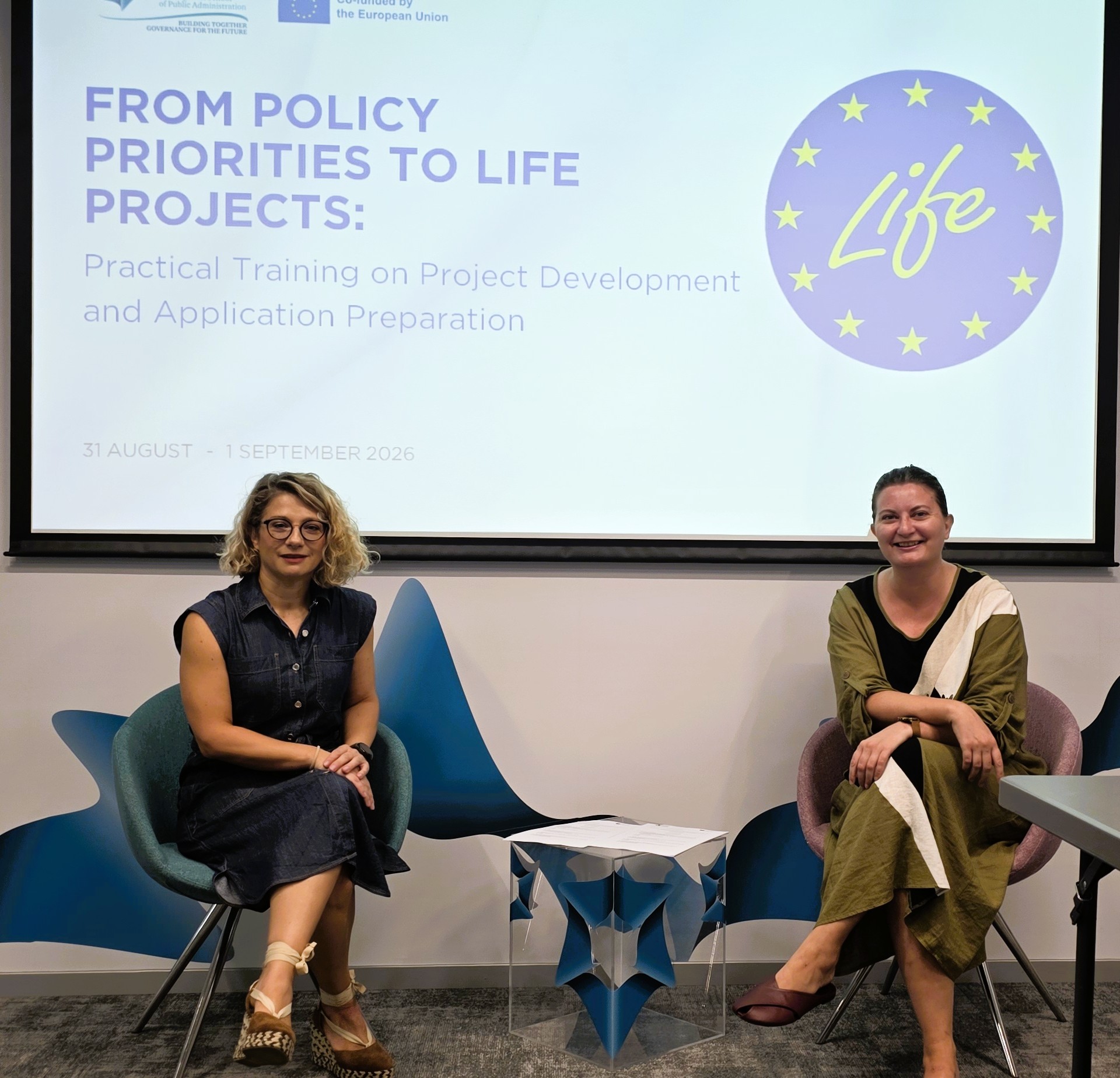
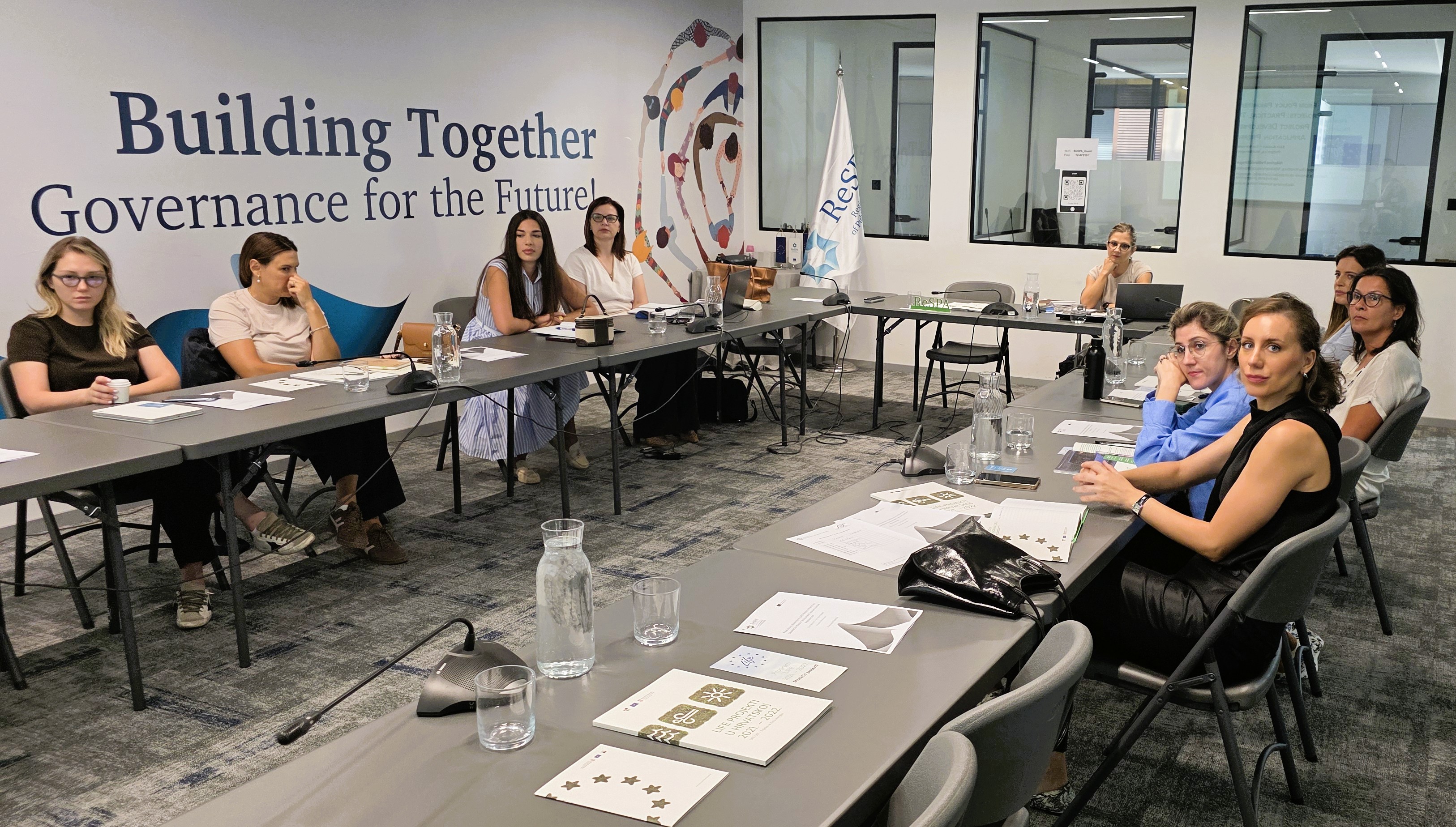
In late August and early September, I delivered a training workshop in Montenegro as part of the ReSPA capacity-building programme, titled “From Policy Priorities to LIFE Projects: Practical Training on Project Development and Application Preparation.” The training aimed to help public institutions strengthen their capacity to develop high-quality LIFE projects and better translate environmental and climate policy priorities into concrete, implementable initiatives capable of attracting EU funding.
Through practical exercises, real project examples and discussions with participants, we explored how ambitious policy goals can become successful projects that deliver measurable benefits for people, nature and the climate. Based on my experience as Croatia's National Contact Point for the LIFE Programme, I was invited to share practical knowledge and lessons learned from project development, partnership building and the successful implementation of LIFE projects.
As Croatia's National Contact Point for the LIFE Programme, I am often asked why I consider LIFE to be one of the most valuable European funding programmes. The answer is simple: LIFE does not only finance projects. It helps turn ideas into practical solutions, encourages cooperation between stakeholders who rarely work together, and supports the integration of environmental and climate objectives into areas such as energy, agriculture, transport, regional development and industry. Its long-standing success demonstrates that environmental protection, nature conservation, climate action and the clean energy transition can go hand in hand with competitiveness, innovation and sustainable growth.
In the following article, I would like to share why the LIFE Programme matters, what kinds of projects it supports, and why it remains one of the European Union's most effective instruments for addressing environmental and climate challenges that do not stop at national borders.
LIFE Programme: Turning Environmental Ambition into Action
For more than three decades, the LIFE Programme has been helping Europe transform environmental and climate ambitions into practical solutions. As the European Union’s dedicated funding instrument for environment, climate action and the clean energy transition, LIFE has become one of the most successful tools for implementing environmental and climate policies while creating tangible benefits for citizens, businesses and public authorities alike.
Why LIFE Matters
Established in 1992, the LIFE Programme is the only EU funding programme exclusively dedicated to environmental protection, nature conservation and climate action. Throughout its long history, it has demonstrated its ability to support innovative, practical and scalable solutions to some of the most pressing challenges facing Europe today.
The current programme supports projects under four sub-programmes:
- Nature and Biodiversity
- Circular Economy and Quality of Life
- Climate Change Mitigation and Adaptation
- Clean Energy Transition (CET)
Together, these areas contribute directly to the objectives of the European Green Deal and the transition towards a sustainable, climate-neutral and resilient economy.
More Than an Environmental Programme
One of the greatest strengths of LIFE is its ability to integrate environmental and climate objectives into other sectors and policy areas. Environmental challenges are rarely isolated. Climate change affects agriculture, energy, transport, water management, urban planning, tourism, public health and industrial development. LIFE projects therefore encourage cooperation across sectors and institutions to develop comprehensive solutions.
For example, a LIFE project addressing climate adaptation may bring together local authorities, water utilities, scientists, farmers, civil society organisations and businesses to improve water resilience. Similarly, projects supporting the clean energy transition often combine energy efficiency measures, citizen engagement, local investment schemes and policy improvements. Through this integrated approach, LIFE helps translate environmental and climate goals into action across the wider economy and society.
Who Can Apply?
One of the reasons for LIFE's success is its openness to a broad range of applicants. The programme supports:
- National, regional and local authorities and government institutions
- Research institutions and universities
- Non-governmental and Civil society organisations
- Businesses and private companies
- International organisations and networks
However, successful LIFE projects are rarely developed by a single organisation acting alone. Environmental and climate challenges are complex and require the involvement of all actors who influence or are affected by the problem. LIFE therefore strongly encourages partnerships that bring together the stakeholders essential for delivering lasting solutions.
A key principle of the programme is simple: if a problem cannot be solved without specific actors, they should be part of the project. Bringing together authorities, businesses, research organisations, civil society and citizens increases project impact and supports long-term sustainability of results.
Ambition, Flexibility and Innovation
LIFE is known for supporting ambitious projects that go beyond business-as-usual approaches. It encourages applicants to test innovative methods, demonstrate new solutions, strengthen governance systems and accelerate policy implementation. At the same time, the programme remains flexible enough to support projects of different sizes, sectors and geographical scales.
This combination of ambition and flexibility enables LIFE to serve as a testing ground for solutions that can later be replicated on a much larger scale.
Many successful approaches first piloted under LIFE have subsequently influenced national policies, EU legislation, business practices and investment priorities. This capacity to transform local innovation into wider systemic change represents one of the programme’s most valuable characteristics.
Supporting Enlargement Countries and the Green Agenda for the Western Balkans
The importance of LIFE extends beyond the borders of the European Union. The programme has increasingly become a valuable instrument for enlargement countries and countries participating in the EU accession process. Eligible non-EU countries already participate in LIFE and benefit from its knowledge, networks and funding opportunities.
This is particularly relevant in the context of the Green Agenda for the Western Balkans. The region faces many of the same environmental and climate challenges as EU Member States, including air pollution, biodiversity loss, waste management challenges, water protection issues and climate vulnerabilities.
Participation in LIFE supports institutional capacity building, strengthens project development skills, promotes alignment with EU environmental legislation and helps countries prepare for future membership obligations. It also fosters cooperation and knowledge exchange among neighbouring countries.
Environmental Challenges Do Not Stop at Borders
Perhaps the strongest argument for expanding participation in LIFE is that environmental and climate challenges do not recognise administrative or political boundaries.
Air pollution travels across borders. Rivers flow through multiple countries. Biodiversity habitats extend beyond national territories. Climate change affects entire regions regardless of national borders. Effective solutions therefore require cooperation, shared learning and coordinated action.
By extending participation to enlargement countries and strengthening cooperation across Europe, LIFE contributes not only to environmental protection but also to regional stability, resilience and sustainable development. It creates opportunities for countries to work together on common challenges and to develop solutions that benefit all citizens.
Looking Ahead
At a time when environmental and climate challenges are becoming increasingly complex, the LIFE Programme continues to prove its value as a flexible, innovative and results-oriented instrument. Its long history, strong connection to the European Green Deal, ability to integrate environmental objectives across sectors, and unique capacity to mobilise diverse stakeholders make it an essential tool for Europe's green transition.
For potential beneficiaries, LIFE represents an opportunity to transform ambitious ideas into real-world solutions. For institutions, it offers a proven mechanism to implement policies, strengthen capacities and deliver measurable environmental and climate benefits. And for Europe as a whole, it remains one of the most effective instruments for turning environmental ambition into lasting impact