

Unlocking EU Funding: Building Skills, Sharing Experience, Shaping Future Growth
5–7 May 2026, Zagreb, Croatia
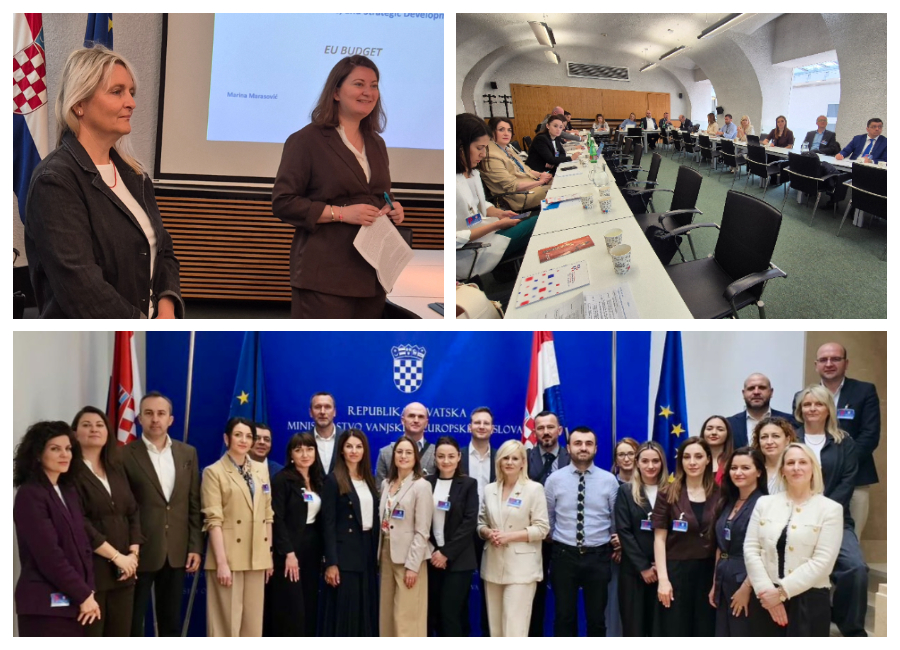
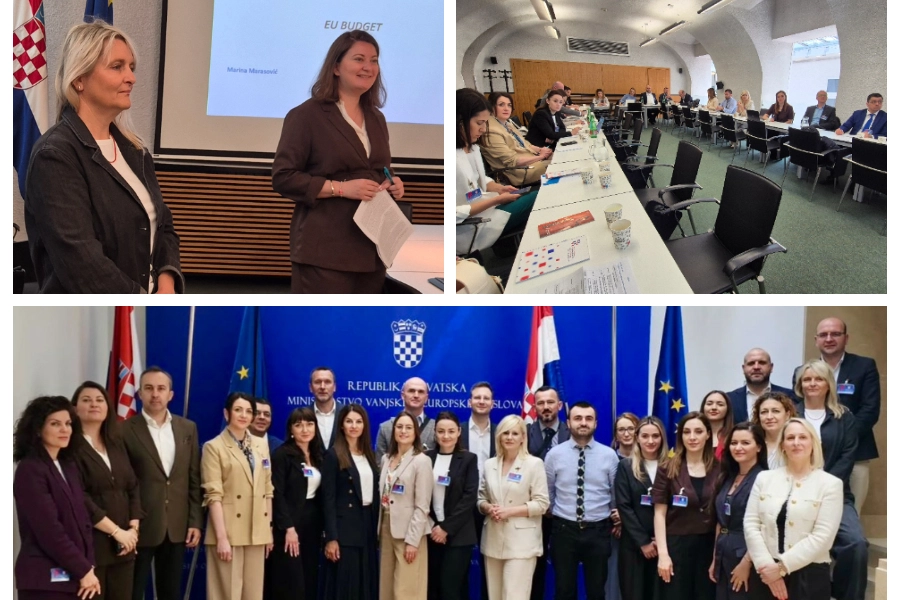
ReSPA, in cooperation with the Ministry of Foreign and European Affairs of the Republic of Croatia (Service for Knowledge Transfer), organised a capacity-building activity titled “Strengthening Capacities for EU Enlargement: EU Policies, Funding Mechanisms, and Strategic Development.” The three-day programme brought together civil servants from the Western Balkans, Ukraine, Moldova, and Armenia for an engaging and hands-on learning experience focused on navigating EU funding and strengthening strategic development capacities.
The training combined policy insight with practical expertise, enabling participants to deepen their understanding of EU budgetary processes, funding instruments, and strategic planning frameworks. Through interactive sessions and real-life examples, participants explored best practices in absorbing EU funds across Member States and the Western Balkans, while identifying lessons that can support smoother integration processes in beneficiary regions.
Jelisaveta Tasev, ReSPA Programme Manager, highlighted the broader impact of the initiative: “By connecting practitioners from the Western Balkans, EU Member States, and our new beneficiary regions, we are building a shared knowledge base and practical skills that are essential for effective use of EU funds. This programme not only strengthens technical capacities but also reinforces cooperation and trust, which are at the core of successful EU integration processes.”
Throughout the programme, participants explored a wide range of key topics, gaining both strategic and practical perspectives. They examined how the EU budget serves as the backbone of EU policies, including its structure, priorities, and future evolution beyond 2027. Discussions on national strategic planning highlighted how countries, drawing from Croatia’s experience, align development priorities with EU funding opportunities, ensuring better coordination and institutional effectiveness.
Sessions on EU regional and cohesion policy shed light on instruments to reduce disparities and foster development, while discussions on the Reform and Growth Facility provided insights into monitoring mechanisms, implementation challenges, and future adjustments under the new Multiannual Financial Framework.
A strong practical dimension was introduced through Croatia’s experience with EU funds, tracing its path from pre-accession support to full participation in cohesion policy and the National Recovery and Resilience Plan. Participants also explored the full lifecycle of EU-funded projects, from preparation and application to implementation and monitoring, gaining valuable tools to address common challenges.
The programme further highlighted the relevance of Recovery and Resilience Plans as a model for the region, drawing parallels with the Reform and Growth Facility and identifying opportunities to strengthen institutional capacities and improve fund absorption.
Cooperation across borders was another key theme, with sessions dedicated to European Territorial Cooperation programmes that showcased how joint initiatives can drive regional development and knowledge exchange.
A study visit to the Croatian Natural History Museum offered a tangible example of EU funding in action, demonstrating the impact of investments in cultural heritage. Additional practical insights were shared by the Zagreb County Development Agency, emphasising the critical role of regional institutions in helping municipalities, businesses, and public bodies access EU funds.
Finally, the programme addressed the growing importance of green and digital transitions, highlighting funding opportunities for sustainable development, energy efficiency, and smart solutions at the local level.
Beyond technical knowledge, the event fostered meaningful peer exchange and networking among mid- to senior-level civil servants responsible for EU funds coordination. By bringing together diverse experiences and perspectives, the programme contributed to strengthening institutional capacities and building a shared vision for more effective and strategic use of EU funding across the regions.