

ReSPA and GIZ Moldova Strengthen Support for Moldova’s EU Accession Through Regional Peer Exchange
4-5 June 2026, Chisinau, Moldova
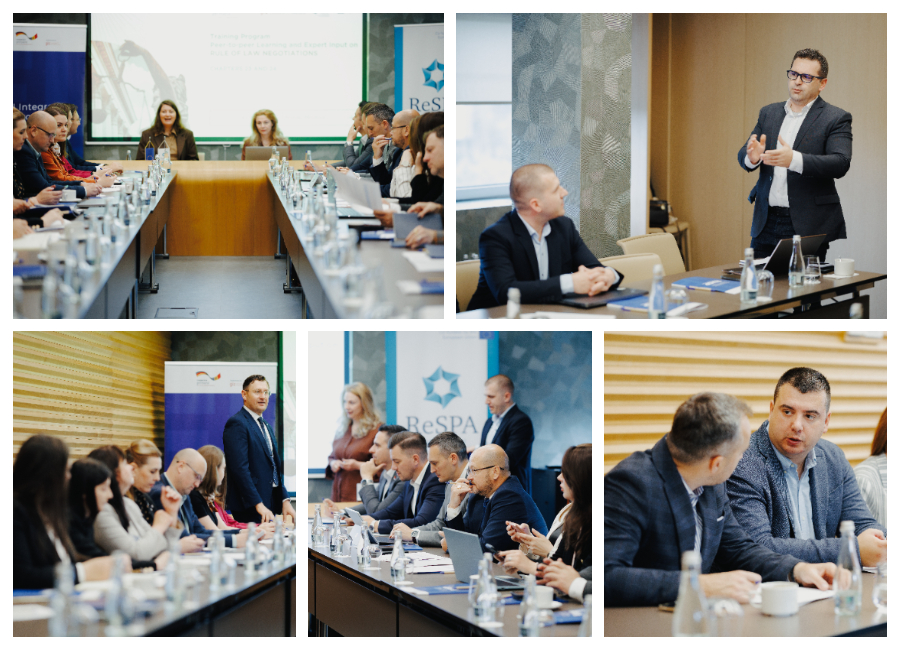
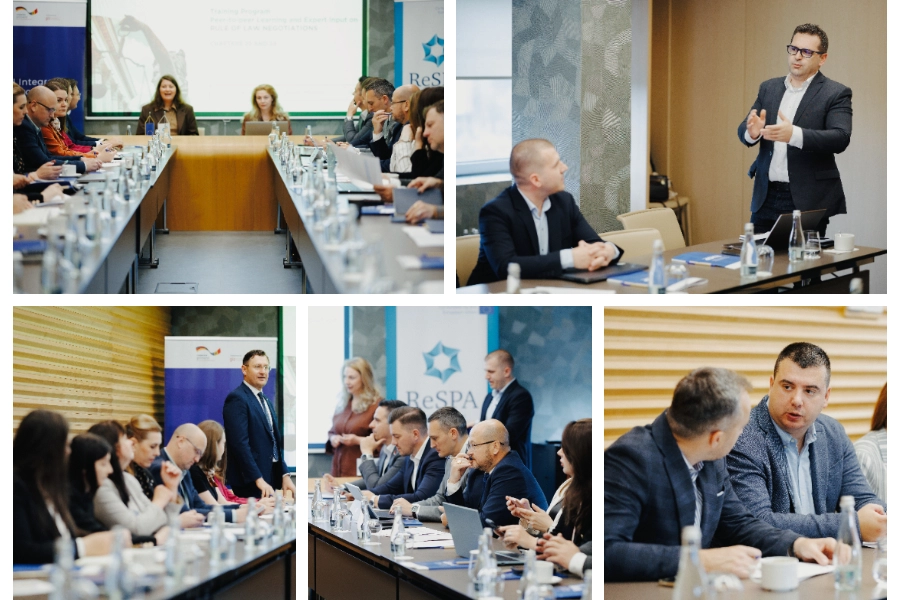
ReSPA, in partnership with GIZ Moldova through the EU Integration Support Project (EUISP), has once again joined forces to support Moldovan civil servants in advancing the country’s EU accession process. The latest peer exchange initiative was designed in response to the needs identified by the Moldovan Government's negotiating structures within the Fundamentals Cluster, with a particular focus on Chapters 23 and 24.
The two-day training programme was opened by ReSPA’s Jelisaveta Tasev and Sergiu Porcescu on behalf of the EU Integration Support Project. They highlighted the importance of fostering cooperation and peer learning among enlargement countries, particularly in the fundamental areas of the EU accession process, where practical experience and regional knowledge-sharing can provide valuable support.
The first day focused on key topics under Chapter 24, including legal migration, irregular migration, asylum, law enforcement cooperation, combating human trafficking, victim protection, and the fight against organized crime and cybercrime in the context of EU accession negotiations. Moldovan civil servants had the opportunity to exchange experiences and learn from distinguished experts from the Western Balkans: Eva Ilievska from the Ministry of the Interior of North Macedonia, Dejan Boljević from the Police Directorate of Montenegro, and Nikola Čučilović and Nenad Bogunović from the General Police Directorate of Serbia.
The second day was dedicated to selected topics under Chapter 23. Participants gained valuable insights into Albania’s recent Interim Benchmark Assessment Report from Elona Bano, Director for EU Integration at the Ministry of Justice of Albania, who shared lessons learned from the country’s reform journey. The discussions also explored constitutional amendments and the functioning of democratic institutions, guided by Miodrag Radović, an expert on EU integration in Chapters 23 and 24.
As part of the programme, Filip Čaparoski (ReSPA) delivered a presentation on the role and importance of civil society participation in the EU accession process. He emphasized that, regardless of the formal or informal models adopted, civil society organizations should be involved early and meaningfully in policy development and consulted on legislative reforms. Creating an enabling environment that encourages civic engagement remains essential for achieving sustainable accession outcomes.
ReSPA was pleased to contribute to the design and implementation of this knowledge-sharing initiative and to collaborate once again with partners supporting Moldova’s European integration efforts. The organization extends its best wishes to Moldovan colleagues as they continue their EU accession journey and looks forward to further strengthening cooperation by connecting public servants from across the Western Balkans and Moldova to exchange expertise and practical experiences.
Special thanks go to all colleagues and experts who contributed to the development and successful delivery of this activity. ReSPA remains committed to bringing together expertise from the Western Balkans and creating meaningful opportunities for peer learning, cooperation, and knowledge exchange with Moldovan counterparts.